The Center for Working Well helps students understand how communication, organizational practices, and evidence-based approaches influence healthier workplaces. Courses and partner projects give students practical experience with challenges that organizations face today, building skills they can use in internships and future careers.
Elective Course | 1 Credit Hour
Open to Undergraduate Students
Strong communication is the cornerstone of professional success. MGMT 39000: Communicating Well at Work helps you build the confidence and skills to communicate effectively in any workplace setting — from team meetings to executive presentations.
Through real-world case studies, hands-on exercises, and interactive discussions, you’ll learn how to craft persuasive messages, manage difficult conversations, and adapt your communication style to any audience.
Elective Course | 3 Credit Hours
Open to Undergraduate Students
Each year, millions of employees across the globe grapple with their well-being at work and home, leading to a critical question: What does it truly mean to “work well”? From burnout and physical exhaustion to a lack of motivation, meaning, and social connection, many factors influence how employees thrive both professionally and personally.
As part of the new Center for Working Well, this course helps you understand how to work well yourself—and how to help others do the same as leaders and coworkers. You’ll explore how individual, relational, organizational, and community factors shape our ability to work well. Together, we’ll identify solutions to common workplace well-being challenges using scientific evidence and hands-on learning experiences.
Through real-world assignments and discussions, you’ll gain experience addressing well-being challenges at work, developing strategies for improvement, and discovering your own path to working well.
Elective Course | 2 Credit Hours
Open to Upper-level Undergraduate Students and All Graduate Students
Professionals today face a defining challenge: how to support employee well-being while still delivering strong organizational performance. The Well-Being–Performance Paradox equips students to understand, navigate, and resolve this tension using rigorous research and applied insight.
Rather than treating well-being and performance as a tradeoff, this course examines how they interact—sometimes reinforcing one another, sometimes colliding. Drawing on evidence from organizational behavior, human resource management, psychology, and emerging research on artificial intelligence (AI), students learn how work design, leadership, and systems shape both outcomes over time. Throughout the course, students apply research to real organizational challenges through cases, applied assignments, and a final project focused on designing sustainable, human-centered HR solutions.
Ph.D. Seminar | 3 Credit Hours
Open to Ph.D. Students Only
On a day-to-day basis, employees are faced with a variety of decisions pertaining to how they self-regulate their behavior and maintain (or, ideally, build) their well-being at work. In this Ph.D. seminar, students will identify the ways in which organizations can facilitate both motivational and well-being processes to promote a healthier, more productive workforce. Throughout the course readings, students will be able to gain an understanding of various forms of employee motivation and various conceptualizations of employee well-being, in addition to gaining knowledge pertaining to what factors facilitate and/or hinder employee well-being on a day-to-day basis. Beyond these theoretical insights, students will also have the opportunity to develop a thorough understanding of unique methodological approaches to pursue these areas of research (e.g., experience sampling, physiological assessments, continuous ratings assessments).
OBHR 33500
Strategic Business Writing prepares Daniels School of Business undergraduate students to become effective, strategic writers in professional settings. Students learn to be people-first communicators by applying the Roberson People-First Communication skills: Audience Analysis, Emotional Intelligence, Critical Thinking and Problem Solving, Building Connection and Trust, and Communication Ethics. The course emphasizes selecting and applying appropriate writing strategies for different audiences, purposes, and business situations. Students also learn to use AI tools ethically and effectively while recognizing their limitations. Through extensive writing practice, feedback, and revision, students develop proficiency across a range of professional business writing formats.
OBHR 59000
Communication and Presence in the Workplace is designed to help students develop the communication skills required to lead effectively in a modern, technology-driven workplace. Students will learn how to speak and write with clarity, confidence, and presence using the Roberson People-First Communication Framework to build trust, connection, and credibility across audiences. Through hands-on practice with presentations, leadership messaging, and refection on readings students will refine their executive presence, extemporaneous speaking, and persuasive influence. Students will also learn to use AI and other emerging technologies strategically to brainstorm, organize, revise, and elevate communication while maintaining authenticity and integrity.
At the Center for Working Well, classroom partnerships give students the opportunity to work with real organizations and apply research to workplace questions. Partners share a challenge, and students develop informed recommendations that reflect both evidence and practical constraints. These collaborations strengthen learning and provide partners with new ideas shaped by current research.
A recent partnership with Antique Candle Co., founded by Purdue Business alum Brittany Whitenack, demonstrates the success of this model. Students examined topics such as parental leave, burnout, and employee well-being. Teams reviewed workplace information, identified relevant research, and created suggestions suited to the company’s operations. One team developed ACC Well, a resource designed to help the company support employee well-being more consistently.
This approach helps students see how organizations make decisions about well-being and offers partners perspectives they can evaluate for their own use. Organizations interested in exploring a collaboration can contact the Daniels School Office of Business Partnerships.

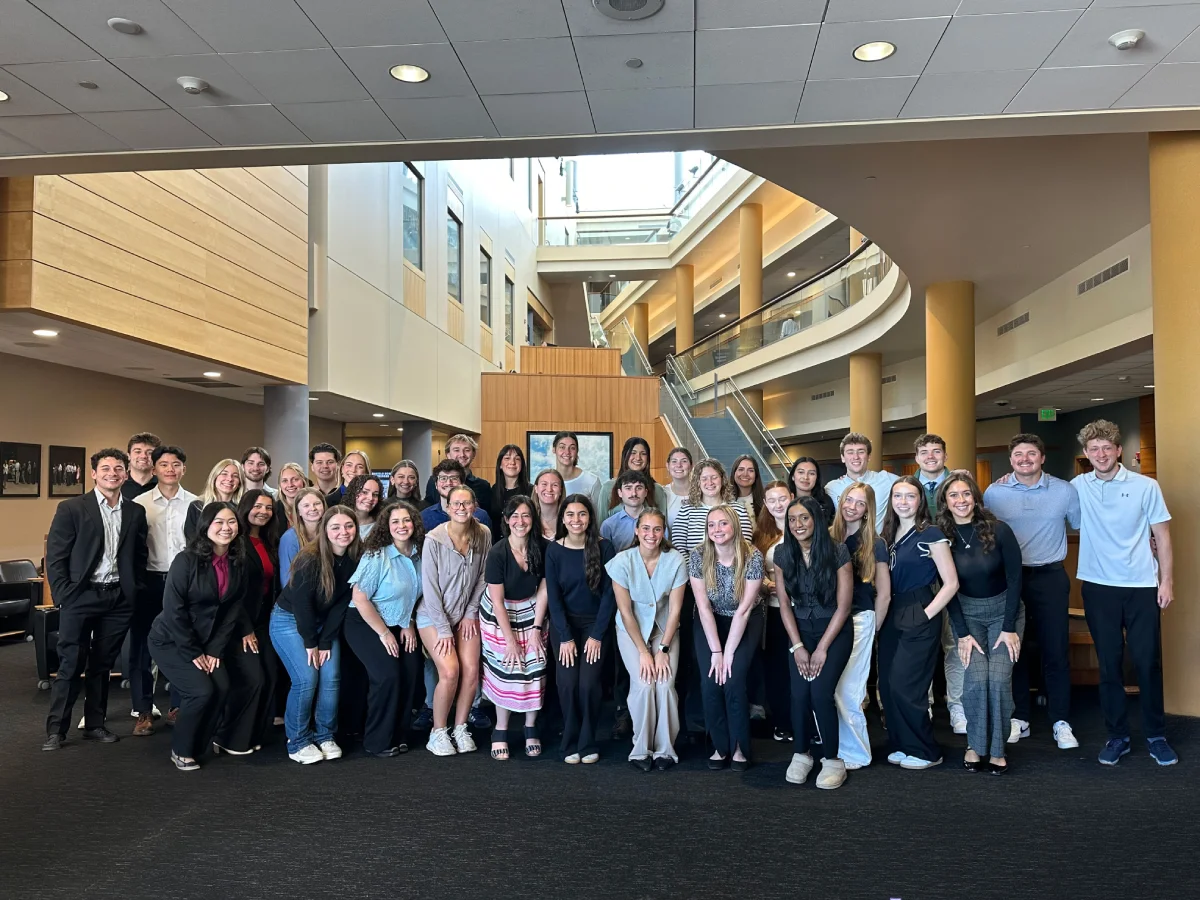
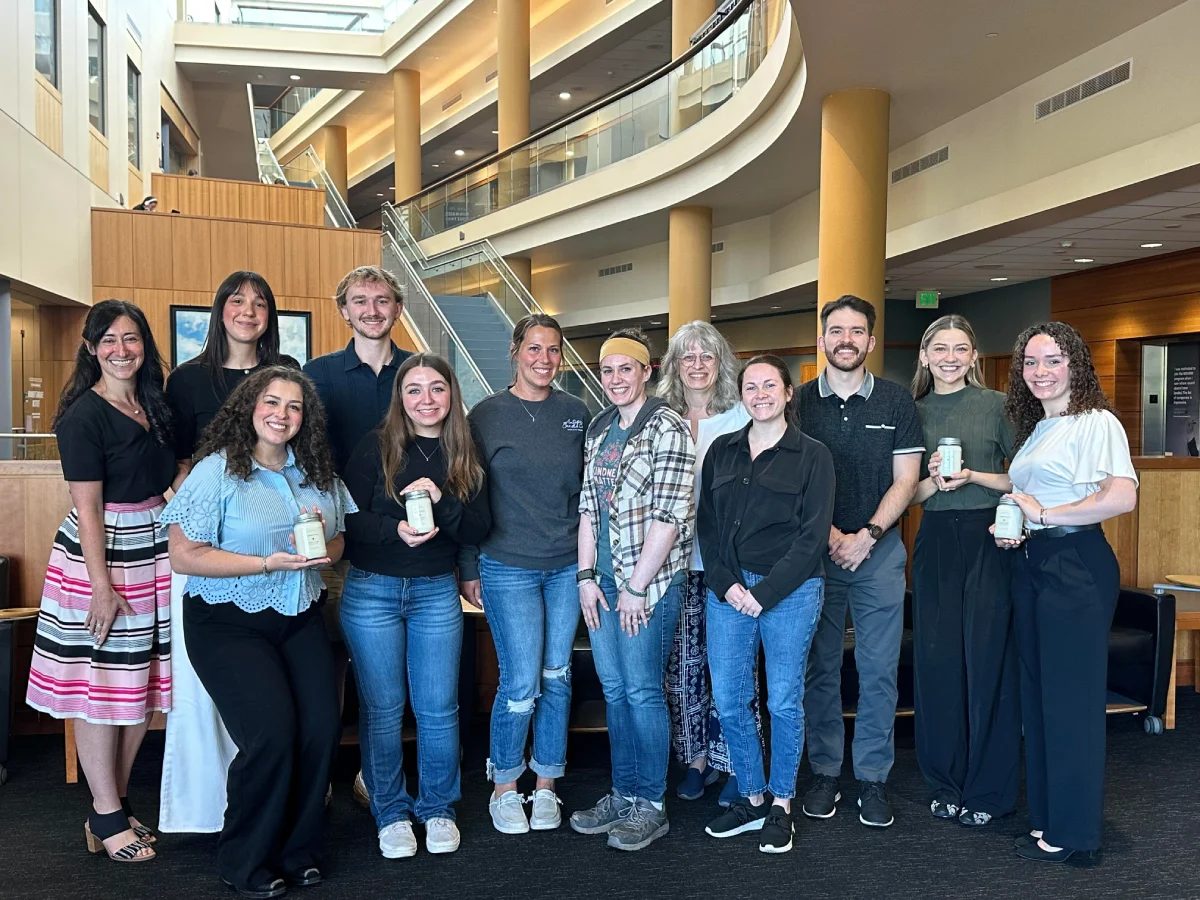
Special thanks to Antique Candle Co. for their continued partnership. The CWW is proud to recognize both the class and this year’s winners for their work and dedication. Congratulations!
The Working Well Council is a student-led group focused on strengthening well-being within the Daniels School of Business. Members work on research, advocacy, and events that help students and faculty create healthier ways of learning and working.